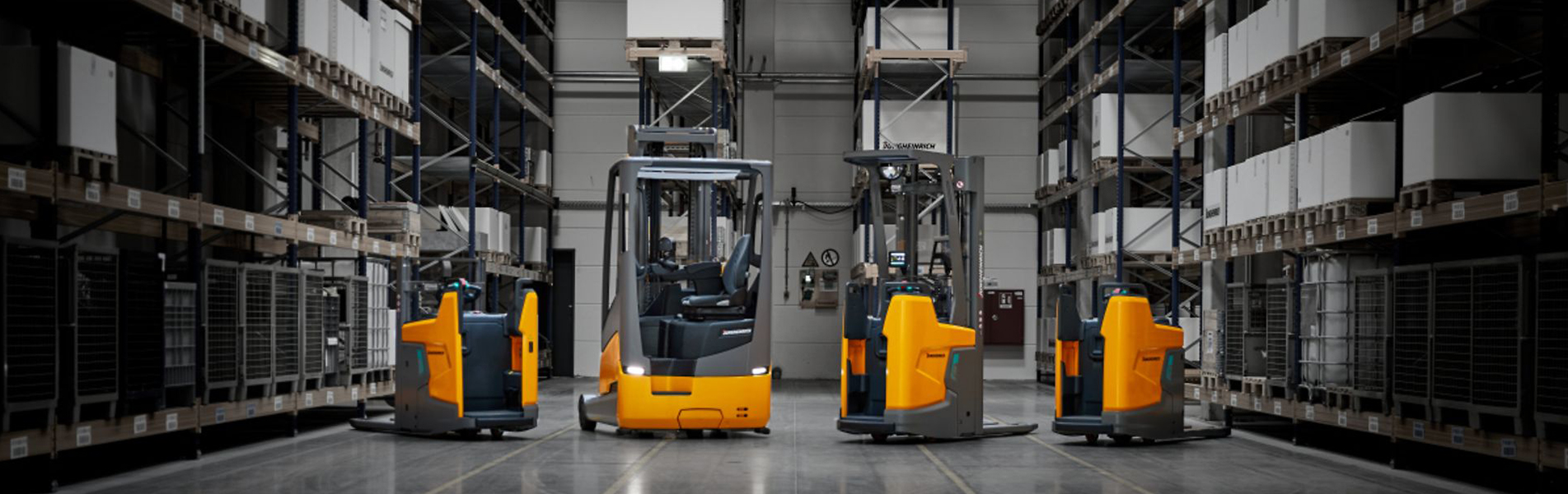
Downtime is the most expensive cost of owning a heavy-duty forklift. One hydraulic leak or a scored mast chain can stop a steel coil line for a whole shift. At 10-50 ton capacity most failures are predictable, and a disciplined heavy-duty forklift maintenance schedule catches them long before they cost you a shift.
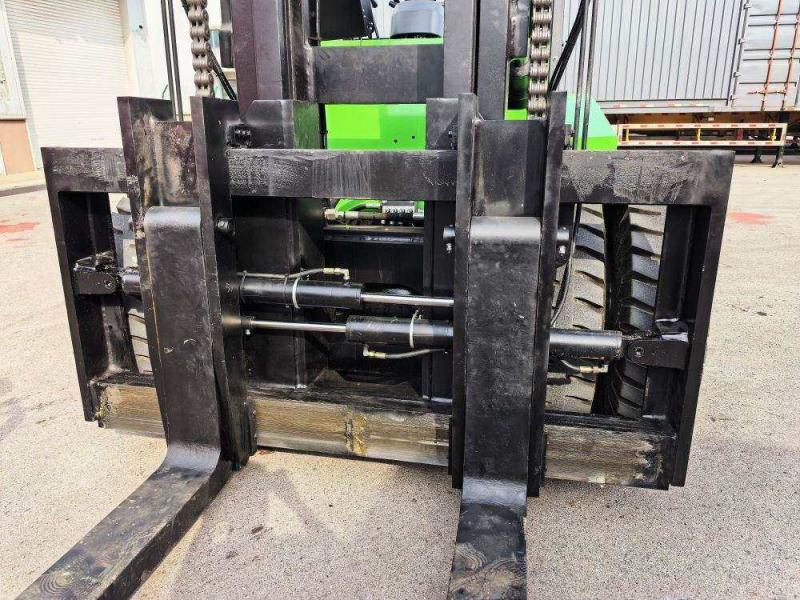
Daily, before the first lift: check tyres, look for hydraulic weeping under the mast, and test brake pedal travel and warning lights. Ten minutes here prevents a cracked mast later.
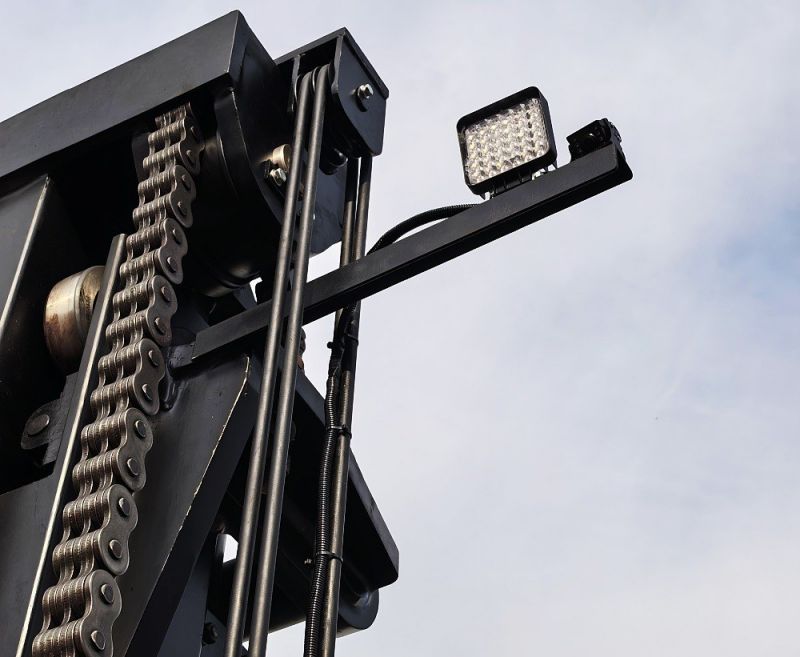
Weekly, the priority is heavy load forklift hydraulic inspection — oil level and colour, hose fittings, cylinders and mast chains. Dark or foamy oil is the first sign of overheating in 24/7 duty, and changing oil is far cheaper than changing a pump.
Monthly, on electric trucks, electric forklift battery care drives availability: water levels or the state-of-charge window, charger terminals, and thermal behaviour under load. Treating preventive maintenance for 10-50 ton forklifts as a budget line, not an afterthought, is what keeps a fleet working in the yard.
Some failures are designed in. Moving a 12-ton load on a 10-ton truck, or pushing a diesel unit through a deep cold-store cycle, always ends in downtime. Match the machine to the duty cycle: a 15 Ton Heavy-duty Electric Forklift Truck for dense indoor steel handling, an Electric heavy-duty forklift truck where zero emissions matter, a Mine use heavy duty diesel forklift truck for dusty outdoor yards, and a Heavy duty electric multi-directional forklift when loads are long and aisles are tight. Where long material dominates, an Electric multi-directional forklift for long material can replace several counterbalance trucks.
NEO FORKLIFT builds 10-50 ton heavy-duty electric and diesel forklifts, 3-8 ton electric multi-directional forklifts, electric VNA forklifts, heavy-duty electric tow tractors and custom electric warehouse trucks — supported by spare-parts planning and remote technical guidance for long-term forklift downtime reduction. Every NEO unit is specified around your load, aisle and shift pattern, so the maintenance schedule you write suits the truck you actually run.
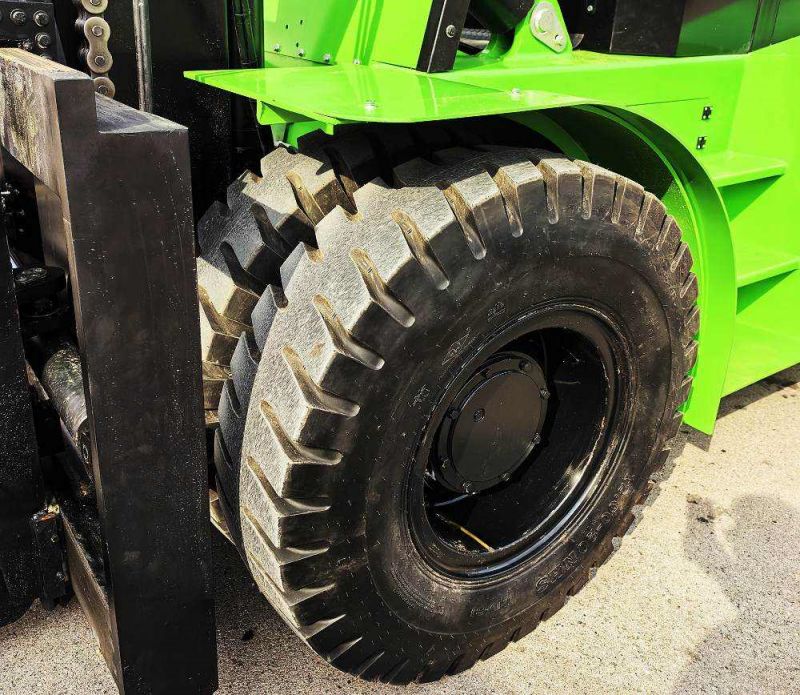
Daily visual checks, weekly hydraulic and brake checks, and a full service every 250-500 operating hours, adjusted for dust, heat and shift length.
Dark or foamy hydraulic oil, slow mast lift, or weeping around fittings and cylinders — early signals that a seal or hose is failing.
Yes. Planned inspections replace emergency breakdowns, and a worn hose replaced during a weekly check rarely becomes an unplanned production stop.
Yes. NEO FORKLIFT supports 10-50 ton electric and diesel trucks with spare-parts planning and remote technical guidance after delivery.
Zon-Cho Huge location near you